




After Extraction of Wisdom Teeth in West Harrison NY
In most cases, the removal of wisdom teeth is performed under local anesthesia, laughing gas (nitrous oxide/oxygen analgesia), or general anesthesia. These options, as well as the surgical risks (i.e., sensory nerve damage, sinus complications), will be discussed with you before the procedure is performed. Once the teeth are removed, the gum is sutured. To help control bleeding bite down on the gauze placed in your mouth. You will rest under our supervision in the office until you are ready to be taken home. Upon discharge your postoperative kit will include postoperative instructions, a prescription for pain medication, antibiotics, and a follow-up appointment in one week for suture removal. If you have any questions, please do not hesitate to call us at West Harrison Office Phone Number 914-500-8985.
Our services are provided in an environment of optimum safety. We utilize modern monitoring equipment and our staff are experienced in anesthesia techniques.
What Can You Eat After Wisdom Teeth Removal?
Your diet plays an important role in the healing process after wisdom teeth removal. Choosing soft, nutritious foods helps protect the extraction sites, minimize discomfort, and reduce the risk of complications such as dry socket. At Facial and Oral Surgery Specialists, we recommend gradually returning to your normal diet as your mouth heals.
Foods to Eat After Wisdom Teeth Removal
For the first 24 to 48 hours, stick to soft foods that require little or no chewing. Some good choices include:
- Applesauce
- Yogurt
- Smoothies (without using a straw)
- Mashed potatoes
- Scrambled eggs
- Oatmeal (once it has cooled)
- Cottage cheese
- Pudding
- Soup (lukewarm, not hot)
- Ice cream or frozen yogurt in moderation
As your comfort improves over the next several days, you can slowly introduce foods such as soft pasta, rice, cooked vegetables, pancakes, and tender fish. Always chew away from the surgical sites whenever possible.
Foods to Avoid After Wisdom Teeth Extraction
Certain foods can irritate the extraction sites or interfere with proper healing. Avoid the following until your oral surgeon tells you it is safe:
- Crunchy foods like chips, popcorn, and crackers
- Hard foods such as nuts and hard candy
- Sticky foods like caramel or chewing gum
- Spicy foods that may irritate the surgical area
- Very hot foods and beverages
- Foods with small seeds that can become trapped in the extraction sites
- Alcoholic beverages during the initial healing period
You should also avoid drinking through a straw, as the suction can dislodge the protective blood clot and increase your risk of developing dry socket.
When Can You Eat Normally Again?
Most patients can begin adding more solid foods within three to seven days, depending on the complexity of their wisdom teeth extraction and how quickly they heal. Continue eating softer foods if you experience discomfort while chewing, and follow the personalized instructions provided by your oral surgeon.
Healing times vary from patient to patient, so don’t rush back to hard or crunchy foods. Giving your mouth enough time to recover helps support a smoother healing process.
Call Us or Request an Appointment Online Today!
914-500-8985 Call Now Schedule an AppointmentWhat will I feel like after wisdom teeth removal surgery?
On the first day after wisdom teeth removal surgery, you may experience some minor bleeding and pain. You should cover your pillowcase with something so that you don’t get any blood on it. Each individual’s reaction to surgery varies, and the sensation of pain can range from mild discomfort to severe pain. A variable amount of swelling can be expected following the surgery. This swelling usually peaks on the second day and should begin resolving on the third day. You can limit the amount of swelling you will have by using ice for the entire first day. The more ice you use the first day, the less swelling you are likely to have on the second day. Please remember to put ice on the first day even if it is somewhat uncomfortable to have the cold next to your skin. On the third day, you will notice that your jaw muscles are stiff, and it is difficult to open your mouth normally. You can apply moist heat to your face on the second and third day allowing your muscles to relax more and open wider. Most of the time you will want to limit your activities for a few days. We ask that you follow your post-operative instructions closely. Doing so will make you as comfortable as possible during the first few days following your procedure. Please allow time for your body to begin healing before resuming an active social, academic, or athletic schedule. Most patients feel like they are over the hump and on their way to recovery in 3 to 5 days.
Are there any problems after the extraction of wisdom teeth?
As with any medical procedure, there can be complications or an unanticipated result. Some complications that patients undergoing wisdom tooth extraction may experience include:
- damage to the sensory nerve that supplies sensation to the lips and tongue
- sinus communication
- infections
- dry sockets
After the procedure, our assistants will review your post-operative instructions with your escort. We ask that you follow these instructions closely, as they will make you most comfortable following your procedure. If you were sedated, you will be comfortable and drowsy when you leave the office. Most patients prefer to go home and rest with no other physical or scholastic activities planned for a few days. With any medical procedure, there can be unexpected results. These can include delayed healing, infection and post-operative numbness or tingling in your lip, chin, or tongue. Dr. Korban or Dr. Clark will review relevant post-operative events with you and answer any questions during your office visit.

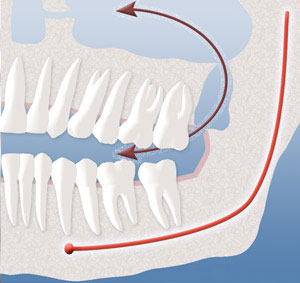
Damage to Sensory Nerve:
A primary concern is a nerve within the lower jaw bone that supplies feeling to the lower lip, chin, and tongue. This nerve is frequently very close to the roots of the lower wisdom teeth. Having these teeth out between the ages of 12 and 18 usually provides shorter roots so that the nerve is not so close to the roots of these teeth. Occasionally, when the teeth are removed, and especially in older patients, the nerve can become injured. When local anesthesia wears off, you may experience a tingling or numbing sensation in the lower lip, chin, or tongue. Should this occur, it is usually temporary and will resolve gradually over a period of weeks or months. On rare occasions it can result in a permanent alteration of sensation similar to having local anesthesia. We feel that you should be aware of this possibility before consenting to surgery.
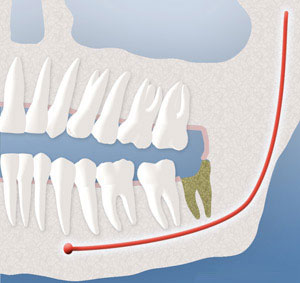
Sinus Communication:
The upper wisdom teeth are situated close to your sinuses, and their removal can result in an opening between your mouth and the sinus. Once again, if the teeth are removed at an early age, the root formation is minimal, and this complication is very unlikely. However, if it does occur, it will usually close spontaneously, but we may give you special instructions to follow, such as avoid blowing your nose for two or three days following the surgery. You can wipe your nose, but don’t blow your nose. If you have to sneeze, you should sneeze with an open mouth into a tissue. Pressure should not be created in the sinus area, which may dislodge the healing blood clot. If you sense this condition occurring after the surgery, please contact the office. An additional procedure may RARELY be necessary to close the opening.
Dry Sockets:
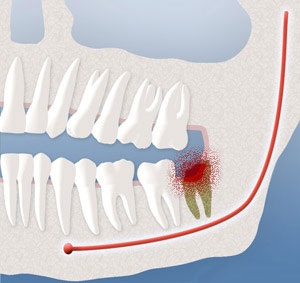
Dry sockets continue to be the most common problem people experience following dental surgery. They arise due to premature loss of a blood clot in the empty tooth socket. This seems to occur with greater frequency in people who smoke or are taking birth control pills. While both jaws can be affected, they usually occur in the lower jaw on the third to fifth day. They cause a deep, dull, continuous aching on the affected side(s). Patients may first notice the pain starting in the ear radiating down towards the chin.
The symptoms frequently begin in the middle of the night, and your pain medication regimen may not help. Treatment can involve changing your prescription. Occasionally it is helpful to place a medicated dressing in the empty tooth socket. This will help decrease the pain and protect the socket from food particles. The effectiveness in alleviating the pain lasts for 24-48 hours and may require dressing changes every day or two, for five to seven days. Dressings usually are removed when you have been pain free for 2 to 3 days.
The dressing doesn’t aid in healing. The only reason to place a dressing is for pain control. If medication is controlling the pain, the socket will heal without a dressing. Following removal of the dressing, an irrigation device may be provided to help you to keep food particles from lodging in the extraction site.
Infection:
Occasionally, post-operative infections occur. This usually requires an office visit and clinical examination. Many times, just placing you on an antibiotic for one week will take care of the infection. If it persists, the area will have to be drained and cleaned. Other temporary problems you may experience in the post-operative period include stiffness of the jaws, chafing around the corners of your lips, facial bruising, and blood oozing from the extraction sites. The post-operative instruction sheet we will provide should answer many of the questions related to these more common concerns. If not, don’t hesitate to call the office at West Harrison Office Phone Number 914-500-8985.
Call Us or Request an Appointment Online Today!
914-500-8985 Call Now Schedule an Appointment